
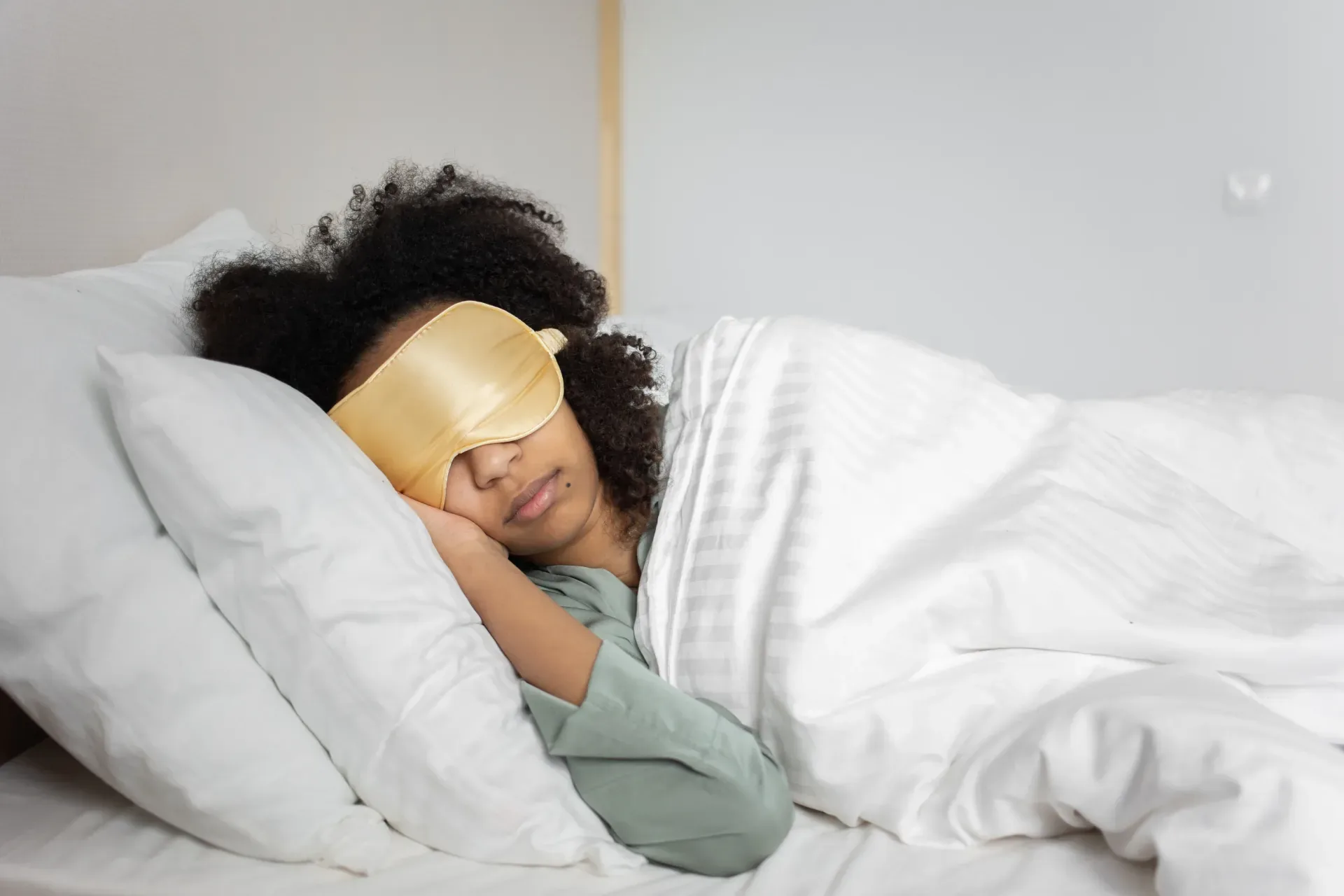
Does white noise help you sleep better? For many people, the honest answer is "sometimes." White noise is steady background audio that masks sudden sounds, and decades of sleep research show it can shorten sleep onset and reduce noise-triggered awakenings in loud environments. At the same time, pooled study results are mixed, and volume or sound choice can backfire if you are not careful.
This review covers what studies support, where findings disagree, and how to run a one-week trial without turning up the volume on restless nights. For step-by-step setup, see our practical white noise guide.
What counts as white noise?
White noise contains the full range of audible frequencies at roughly equal intensity. Everyday examples include fan hum, air purifier hiss, or the static from a radio between stations. Because the sound is steady, brief spikes (car horns, hallway voices, a pet in another room) stand out less against that baseline.
Related options include pink noise (softer, more bass) and brown noise (deeper rumble). They mask noise similarly but feel different to the ear. For a deeper comparison, read pink noise and deep sleep or our overview of how sound colors affect sleep quality.
What the research supports
Sleep scientists have tested continuous background noise in hospitals, cities, and sleep labs. Several controlled studies report that masking sound can help people fall asleep faster when unpredictable noise is present. The most consistent explanation is sound masking: a steady backdrop hides disturbances so your brain is less likely to orient toward them during light sleep.
A second mechanism is a learned sleep cue. If you play the same sound at bedtime for several nights, your nervous system may associate it with winding down. That effect is real for some listeners but harder to measure in large trials.
Research in infants and young children has also reported lower heart and breathing rates with white noise, which may help some children settle. That does not mean the same effect applies to every adult or every night.
Where evidence is mixed or weak
Not every study finds a benefit. A systematic review in Sleep Medicine Reviews concluded that white noise had little overall benefit for sleep quality across the trials it analyzed. Real bedrooms differ from labs: layout, baseline noise, and personal sensitivity all change the outcome.
Claims about large gains in deep sleep minutes are also overstated in everyday marketing. Some small EEG studies link pink or broadband noise to more slow-wave activity early in the night, but sample sizes are often small and home results vary. For the mechanism behind masking, see why white noise helps you sleep.
Medical disclaimer: Sleep and focus audio supports healthy habits; it is not a substitute for clinical care. If poor sleep persists for weeks, you snore loudly, or you feel exhausted despite long time in bed, talk to a healthcare provider rather than turning the volume up.
Possible downsides: volume and sleep stages
Louder is not better. Sleep specialists note that noise played too loudly may interfere with deep sleep and REM sleep, and could affect hearing over time if exposure is excessive. Our guide to sound volume and sleep quality explains how decibel levels interact with different sleep stages.
Practical guidelines from sleep medicine experts include:
- Place the machine in a corner of the bedroom, not right next to your head.
- Keep volume no louder than a quiet background conversation. If you must raise your voice to be heard over it, it is probably too loud.
- Start the sound when you get into bed, not hours earlier.
- If your device has a timer, experiment with playing noise only while you fall asleep instead of all night.
Pink noise and brown noise in brief
White noise is the best known option; pink and brown noise serve the same masking purpose with a different feel. Pink noise emphasizes lower frequencies and often sounds like steady rain. Brown noise reduces high frequencies further and feels rumblier, closer to ocean surf than gentle rain.
Some studies suggest pink noise may support deep sleep in older adults, but much of that work used carefully timed audio in controlled settings. For pink and brown noise, many clinicians recommend the same rules as white noise: moderate volume, a consistent trial period, and stopping if sleep does not improve.
How to test white noise without overdoing it
If you want to see whether sound helps you, run a simple one-week experiment:
- Pick one steady sound (fan, soft hiss, rain, or brown noise) and keep it the same each night.
- Set volume low before you lie down; resist volume creep on restless nights.
- Track sleep subjectively: time to fall asleep, night awakenings, morning alertness.
- Combine sound with basics: consistent schedule, dark room, and a screen-free wind-down.
Apps and bedside machines make it easy to switch sounds and set timers. Pick a sound that disappears into the background rather than one you catch yourself listening to.
Key takeaways
- White noise may help you sleep better by masking outside sounds and signaling bedtime, but pooled research results are mixed.
- Masking works best in noisy settings; it is less likely to fix insomnia, apnea, or racing thoughts on its own.
- Keep volume modest, place the source away from the bed, and consider a timer instead of all-night playback.
- Pink and brown noise are useful alternatives if pure white noise feels harsh.
- Give any new sound at least a week at a fixed volume before you judge whether it helps.
Whether white noise helps you sleep better depends on your bedroom, your sensitivity, and how you use it. A one-week trial at fixed volume will tell you more than any pooled study.