
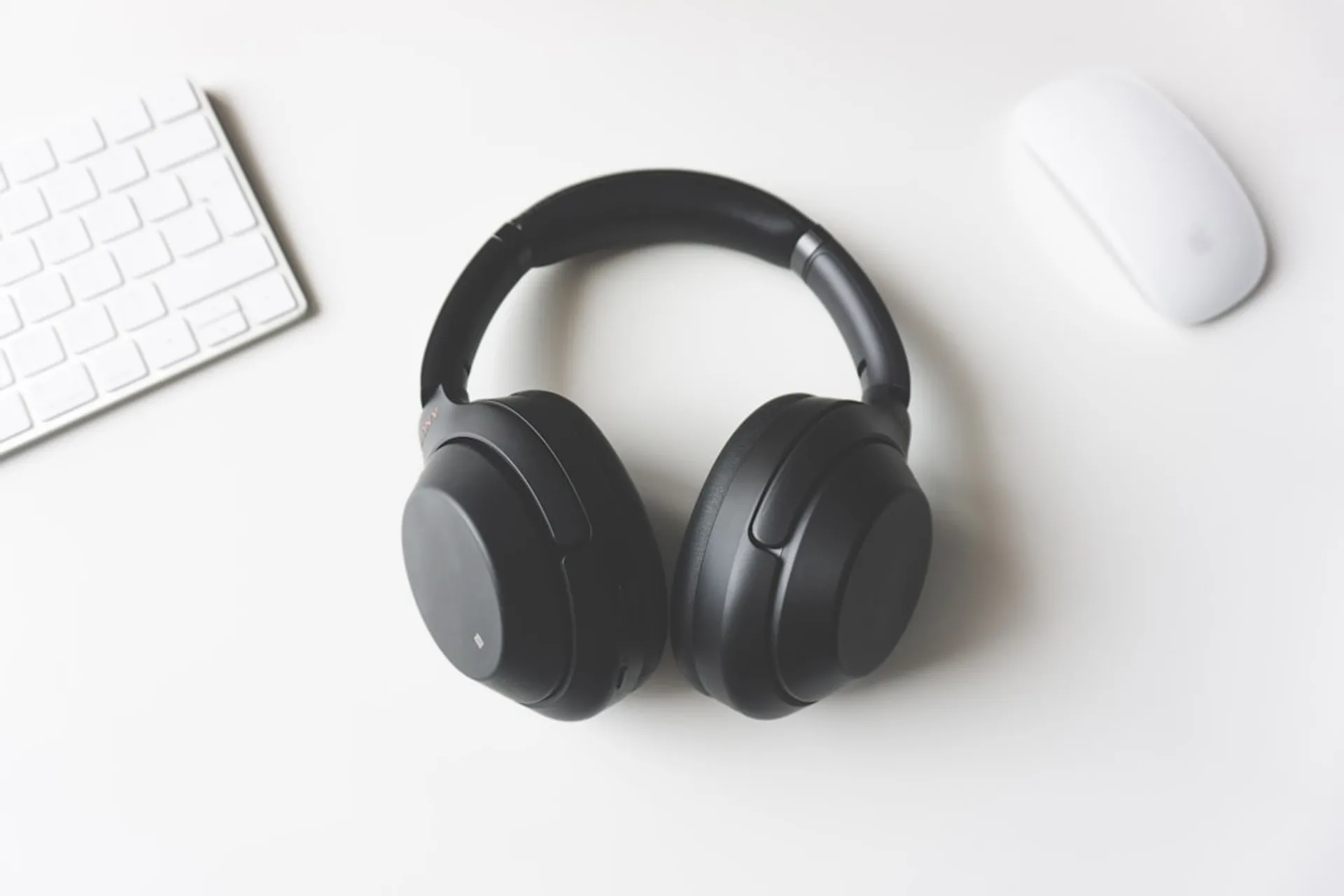
Sound masking for focus is the practice of playing steady background audio during work so sudden noises stand out less against a calm baseline. In an open office, a busy home, or any space with unpredictable sound, masking raises the ambient sound floor instead of chasing perfect quiet.
A slammed door or nearby conversation can reset your focus before you notice what happened. Done well, masking makes those interruptions feel less sharp and gives your workspace a steadier auditory backdrop.
Key takeaways
- Sound masking for focus uses steady background audio to make sudden distractions less noticeable.
- It works best when the sound is subtle, consistent, and around 40 to 50 dB.
- Pink noise, brown noise, rain, and fan-like sounds are common choices for open offices.
- Headphones are often best in shared spaces; avoid masking important safety cues.
- Use masking as part of a broader focus routine with breaks and a clear task.
How sound masking differs from silence
Sound masking does not erase sound. It adds a consistent layer, such as white noise, pink noise, brown noise, rain, or a fan-like hum, so brief spikes blend into the background. This is different from noise-canceling headphones, which reduce outside sound physically.
Good masking stays subtle. You should notice the room feels calmer, not that you are listening to a loud track. A useful starting point is around 40 to 50 dB at your ears. If you need to raise your voice to talk, turn it down.
| Approach | What it does | Best for |
|---|---|---|
| Sound masking | Adds steady audio to raise the noise floor | Intermittent speech, HVAC clicks, hallway noise |
| Noise-canceling headphones | Uses electronics to reduce outside sound | Loud transit, cafes, or constant low rumble |
| Both together | Isolation plus a gentle masking layer | Very chatty open offices or shared apartments |
Why masking helps concentration
Your brain tracks changes in the environment even during deep work. That reflex helps you notice danger, but it also makes a sudden sound more distracting than a steady one.
Masking reduces contrast between quiet moments and interruptions. Speech hits hardest because your brain tries to parse meaning automatically. A steady, non-speech sound can make nearby conversation less intelligible, which lowers the odds it steals your attention.
The mechanism is predictability, not a magic frequency. Your brain adapts to a stable sound more easily than to irregular bursts. Over time, the masking track fades into background while sudden noises lose some of their pull. For the research behind masking, habituation, and arousal, read the science of sound for focus.
How masking reduces distractions
- It softens surprise. A steady sound makes small interruptions feel less abrupt.
- It lowers speech clarity. Background noise can make nearby talking harder to follow.
- It signals deep work. Using the same sound during focus blocks can become a routine cue, similar to opening a notebook.
Choosing the right background sound
The best sound for focus stays steady, non-intrusive, and free of sudden changes. If you find yourself listening to the sound instead of your work, it is probably too interesting or too loud.
- White noise: steady hiss across frequencies; effective for speech masking but some find it sharp at higher volumes.
- Pink noise: softer than white noise; often feels natural and smooth.
- Brown noise: deeper rumble; comfortable for long reading or writing sessions. See brown noise for concentration.
- Rain sounds: familiar natural texture with gentle variation. See rain sounds for focus.
- Fan or airflow sounds: simple and steady, similar to many office masking systems.
Skip lyrics, dramatic music, heavy percussion, and frequent changes. The best masking sound disappears while you work.
Setting up masking in different workspaces
Open office
Use a low, steady sound through headphones or a small speaker if your team allows it. Keep volume low enough to hear your name or urgent announcements. If you use a speaker, place it near your desk without leaking into a neighbor's space. Headphones are usually the more considerate option in shared offices.
Home office or shared apartment
Distractions may come from the kitchen, hallway, street, or family members. Brown noise or rain often feels comfortable for longer sessions. If you need to stay aware of children or doorbells, keep volume modest.
Library or quiet study space
Headphones at very low volume are usually best. Soft pink noise, rain, or brown noise tends to work better than loud white noise. Take short breaks without sound to prevent fatigue.
During calls or meetings
A speaker can feed into your microphone. If you use sound on calls, keep it low, use headphones, and position the speaker away from the mic. Masking works best for tasks that do not require constant active listening.
Medical disclaimer: Sound masking supports healthy work habits; it is not a substitute for clinical care. If concentration problems are persistent or linked with anxiety, ADHD, or sleep disorders, talk to a healthcare provider.
Benefits and realistic limits
Masking can protect attention when distractions are intermittent rather than constant. When interruptions feel less sharp, you spend less time restarting tasks after brief breaks in flow.
Masking is not a productivity shortcut. It works best with a clear task, limited notifications, reasonable volume, and regular breaks. The sound supports concentration; planning, rest, and good work habits still matter.
Common mistakes to avoid
- Volume too high until the sound becomes intrusive or causes ear fatigue.
- Masking important cues such as alarms, doorbells, or children who need attention.
- Wrong sound type that feels harsh, too variable, or demands attention.
- No breaks during long sessions, which can lead to auditory fatigue.
Practical tips for daily use
- Start low. Begin around 40 dB and increase only enough to soften distractions.
- Choose a steady sound. Pink noise, brown noise, rain, or fan-like hums are good starting points.
- Use focus blocks of 30 to 60 minutes, then take a short break away from the sound.
- Keep it consistent. The same sound for similar tasks can become a concentration cue.
- Avoid lyrics and dramatic changes. The sound should support work, not compete with it.
If focus struggles overlap with sleep issues, you may also find it helpful to read about white noise for sleep or pink noise for deep sleep.
Whether you use a phone app, a small speaker, or headphones, the aim is the same: a calmer, more predictable soundscape that lets your attention stay where you put it.