
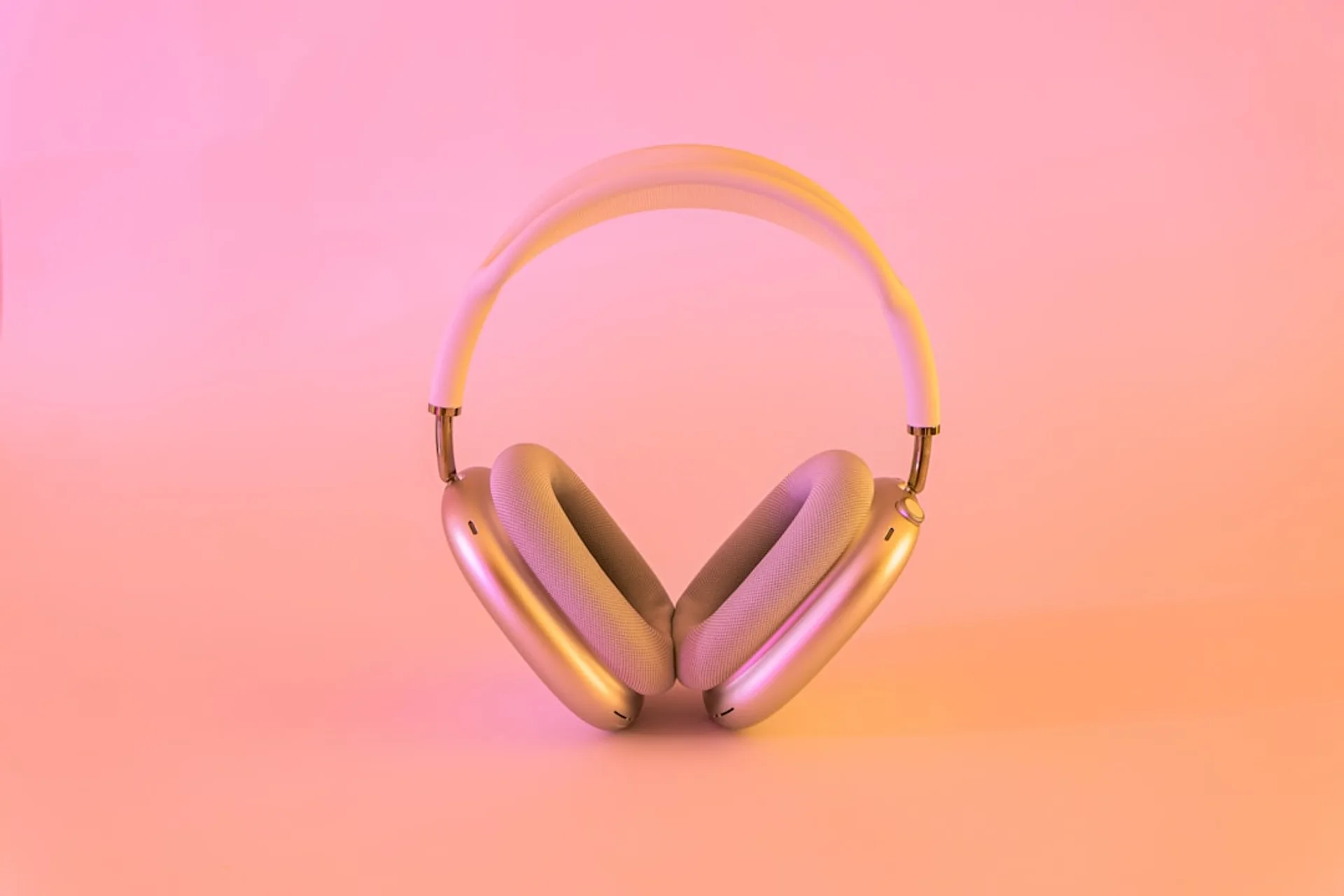
Noise-canceling headphones for sleep are over-ear, on-ear, in-ear, or headband models with active noise cancellation (ANC). Built-in microphones sample outside noise and play an opposing wave that reduces steady ambient sound before it reaches your ears. They can help on planes, in city apartments, and during daytime focus blocks, but they are not always the best all-night bedroom setup.
You will learn when ANC helps rest, when a bedside speaker plus masking works better, and how to pair headphones with sleep sounds in DRMN. For why sudden spikes break sleep, see sound masking and sleep latency. For travel-specific tips, see sleep sounds travel hacks.
Key takeaways
- ANC targets steady low-frequency rumble; masking handles sudden spikes.
- Headphones suit travel and shared spaces; speakers often suit all-night home sleep.
- Keep playback at 38–48 dB even when cancellation is on.
- Side sleepers should test headband or slim earbuds to reduce ear pressure.
- Audio supports habits; it is not a substitute for clinical sleep care.
How ANC differs from passive headphones
Passive headphones block sound with padding and seal only. ANC adds electronics that sample outside noise and play an opposing wave, which works best on consistent tones like engine hum or air conditioning.
Sudden sounds (slamming doors, voices, dogs) change too quickly for cancellation to fully erase them. That is why many sleepers combine ANC with a steady sleep sound underneath. The headphone reduces drone; the track raises the noise floor for spikes.
ANC vs sound masking for sleep
| Approach | Best against | Weak against | Typical use |
|---|---|---|---|
| ANC headphones | Engine rumble, HVAC, steady traffic | Sudden spikes, snoring peaks | Flights, hotels, focus blocks |
| Bedside speaker + masking | Room-wide spikes, partner tolerance | Very loud intermittent noise | Home all-night sleep |
| ANC + sleep sound | Combined drone and spikes | Ear pressure for side sleepers | Urban apartments, dorms |
More on masking colors: how sound colors shape sleep quality.
Pick a headphone style for your sleep position
Fit matters as much as cancellation strength. The wrong shape can wake you more than street noise does.
- Over-ear cups: Strong ANC and comfort on your back, but bulky for side sleep.
- On-ear pads: Lighter than cups, less seal, weaker bass cancellation.
- In-ear buds: Compact for travel; side sleepers may feel canal pressure after a few hours.
- Headband styles: Thin speakers in a fabric band; common compromise for side sleepers.
Test any new pair awake for 20 minutes in your usual sleep position before you wear it all night. Ear tips that are too small leak noise; tips that are too large create soreness.
When noise-canceling headphones improve sleep
ANC works best when baseline noise is steady and you cannot control the room. Red-eye flights, highway-side hotels, and roommate HVAC are common wins. Cancellation lowers the drone so a quiet pink-noise or rain track in DRMN can sit at lower playback volume.
Consumer ANC studies tied directly to sleep are sparse. Most reported benefits are comfort and fewer perceived disruptions, not guaranteed changes in sleep stages. Treat headphones as a practical tool to test, not a medical device.
When to skip headphones at bedtime
- Side sleeping with bulky cups: Pressure on the ear or temple can wake you.
- All-night home use: A speaker at 40–45 dB is often more comfortable.
- Need to hear alarms or children: Use transparency mode or lower ANC strength.
- Ear pain, eczema, or otitis history: Avoid long in-ear sessions.
Sleep headband headphones and low-profile earbuds are compromises for side sleepers. Still test fit awake before you commit to an eight-hour session.
Pairing ANC with DRMN sleep sounds
- Enable ANC at a moderate level (not max) to reduce pressure sensations.
- Play pink noise, brown noise, or steady rain in DRMN at 38–44 dB.
- Use a 30–60 minute timer if you only need sleep-onset help.
- Enable fade-out so audio does not stop abruptly if the timer ends.
- Save one preset for travel and one for home speaker use.
Track picks: pink noise for deep sleep, rain sounds for sleep, and combining sounds for sleep and focus.
Volume and hearing safety
ANC can make playback feel quieter than it is physiologically. Measure with a decibel app when possible. Targets: 38–48 dB for sleep, roughly 42–48 dB for desk focus. If ringing or fullness appears, lower volume for several nights.
Take the headphones off for a few minutes if your ears feel warm or sore. Overnight in-ear use increases moisture and irritation risk for some people. Wipe ear tips weekly and let them dry fully between sessions. See sound volume and sleep quality for calibration steps.
Daytime focus with the same pair
The same ANC headphones can support work blocks by reducing open-office chatter. Keep masking audio moderate; brown or pink noise in DRMN at 42–48 dB is a common setup. Transparency mode helps when you must hear nearby colleagues.
More on office masking: sound masking for open-office focus.
Medical disclaimer: Noise-canceling headphones and sleep audio support healthy routines but are not a substitute for clinical evaluation or treatment. Consult a healthcare provider if you have chronic insomnia, hearing changes, loud snoring, or ear pain that persists.
One-week test plan
- Nights 1–3: ANC only; note comfort and awakenings.
- Nights 4–7: ANC plus one DRMN track at 40 dB.
- Compare: Run the same week with a bedside speaker if ear fatigue appears.
- Keep whichever setup produced fewer wakes and morning ear symptoms.
Noise-canceling headphones can improve sleep in the right context: steady noise, travel, and shared spaces. Pair ANC with low-volume masking, respect ear comfort, and switch to speakers when all-night pressure becomes the bigger problem than street sound.